We have a child with a chronic inflammatory condition that affects the esophagus. We manage it with diet rather than medication. That means stricter boundaries around food and learning to cook in the way that best serves his body. The other day, as I stood beside him making vegan pancakes (hands down the best pancakes ever), I started reflecting on how this process has been about so much more than recipes.
Teaching my son to read food labels and cook according to his dietary needs is not only about what goes into his body. It is about teaching the why and giving him the necessary tools his body needs so he can remain healthy, stay out of the hospital, and understand what works and doesn’t work for him. If I only ever handed him meals without teaching him how to choose, he might get by for a while, but he wouldn’t be equipped for the long haul.
I am teaching him more than just how to survive his medical condition. I am teaching him how to thrive and live his best, fullest, and healthiest life.
In the same way, first responder families cannot thrive if they are only “fed” pieces of advice here and there without a deeper understanding of why and how to care for themselves. This lifestyle brings unique challenges—shift work, trauma and secondary trauma, communication struggles, critical incident planning, and the ongoing need for community and resources. To walk this road well, families need to be trained, equipped, and empowered.
Just as learning to read labels gives my son independence and strength, learning to read the “labels” of this lifestyle gives first responder families the ability to sustain themselves, support their responder, and live with resilience.
Why It Matters to Talk About Family Impact
When we support not only the first responder but also their family, we create stronger, more resilient, and well-rounded responders.
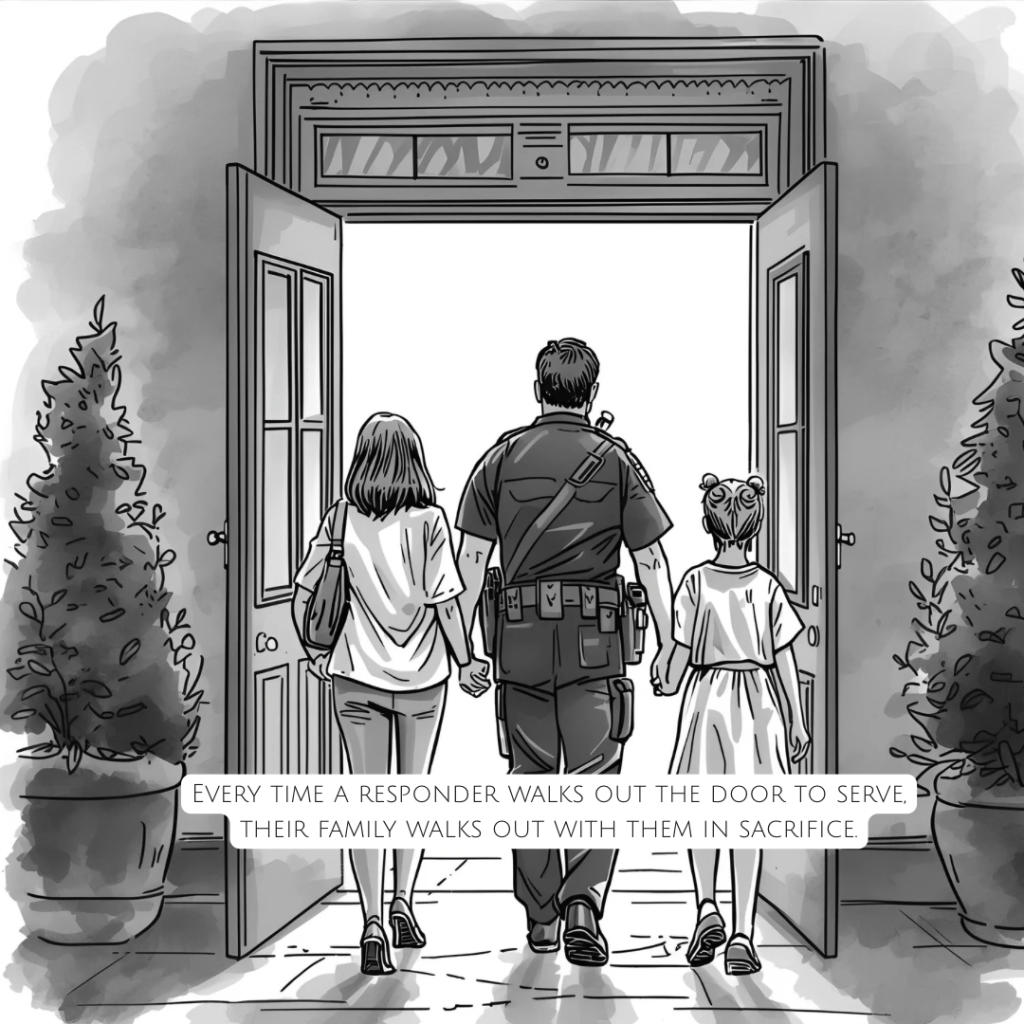
Every time a first responder walks out the door to serve and protect, their family walks out with them in sacrifice. Families carry invisible burdens the outside world rarely sees: fear, uncertainty, restless nights, missed holidays and birthdays, and the ache of loneliness. Each goodbye can feel like a gamble—could this be the last time we say goodbye?
And yet, families do this quietly. They rarely seek sympathy, recognition, or praise for their sacrifices. But their wellness matters. Their strength contributes directly to the wellness of the responder.
How Family Wellness Shapes First Responder Wellness
Stress Reduction and Burnout Prevention
Strong family connections create stability and a safe place to land after traumatic events.
Healthy Coping Mechanisms
Families often recognize early signs of stress and burnout, encouraging healthy outlets and stress management before things spiral.
Anchors to Normalcy
Routines, traditions, and family time keep responders grounded and connected to life outside of the job.
Increased Resilience
Supported first responders are less stressed, less likely to burn out, and more consistent in their performance. Agencies that invest in family support see stronger retention, healthier culture, and overall better outcomes.
Why Spousal Support Matters
When families feel included and equipped, they carry more pride and gratitude, reducing resentment. Too often, spouses feel left out or unsupported by the agency until a critical incident forces them into the spotlight. Waiting until crisis is too late—support should begin the day a responder is hired.
How Agencies Can Support Spouses:
- Spousal Academies
Offered during training or shortly after hire. Topics include:- Job-related stressors and coping strategies
- Recognizing signs of stress in themselves and their responder
- Understanding secondary trauma and emotional shifts over time
- Preventing burnout for responder and spouse
- Effective communication strategies
- Understanding daily operations, shift work, and chain of command
- Protocols for critical incidents
- Available resources and peer support
- A panel of veteran spouses who share their experiences and answer questions
- Peer Support for Spouses
- Designated peer support members available specifically for spouses
- Clear contact pathways for guidance, help, or emotional support
Validation and Support for Spouses
Spouses need more than information; they need validation. They need to know that the exhaustion, the emotions, and the sacrifices they feel are not weakness—they are evidence of their quiet strength.
This is part of why I wrote Silent Warriors: The Guardians Behind the Badge. It gives language to the silent struggles spouses face and reminds them they are not alone in this warrior path. Sometimes what spouses need most is to hear, “What you’re carrying is real. You are seen. You are valued. You matter too.”
When agencies and communities affirm the role of spouses and equip them with tools and support, they are no longer left isolated to figure out survival on their own. They are empowered to thrive.
Thriving, Not Just Surviving
Teaching my son to cook within the boundaries of his health condition empowers him to thrive rather than just get by. In the same way, empowering first responder families equips them to thrive in this demanding lifestyle.
When families are anchored, educated, validated, and supported, they become a source of strength—not only for their responder but for the agency and the community as a whole. It is time we expand the conversation beyond the responder to the family unit. Because when the family thrives, the responder thrives.
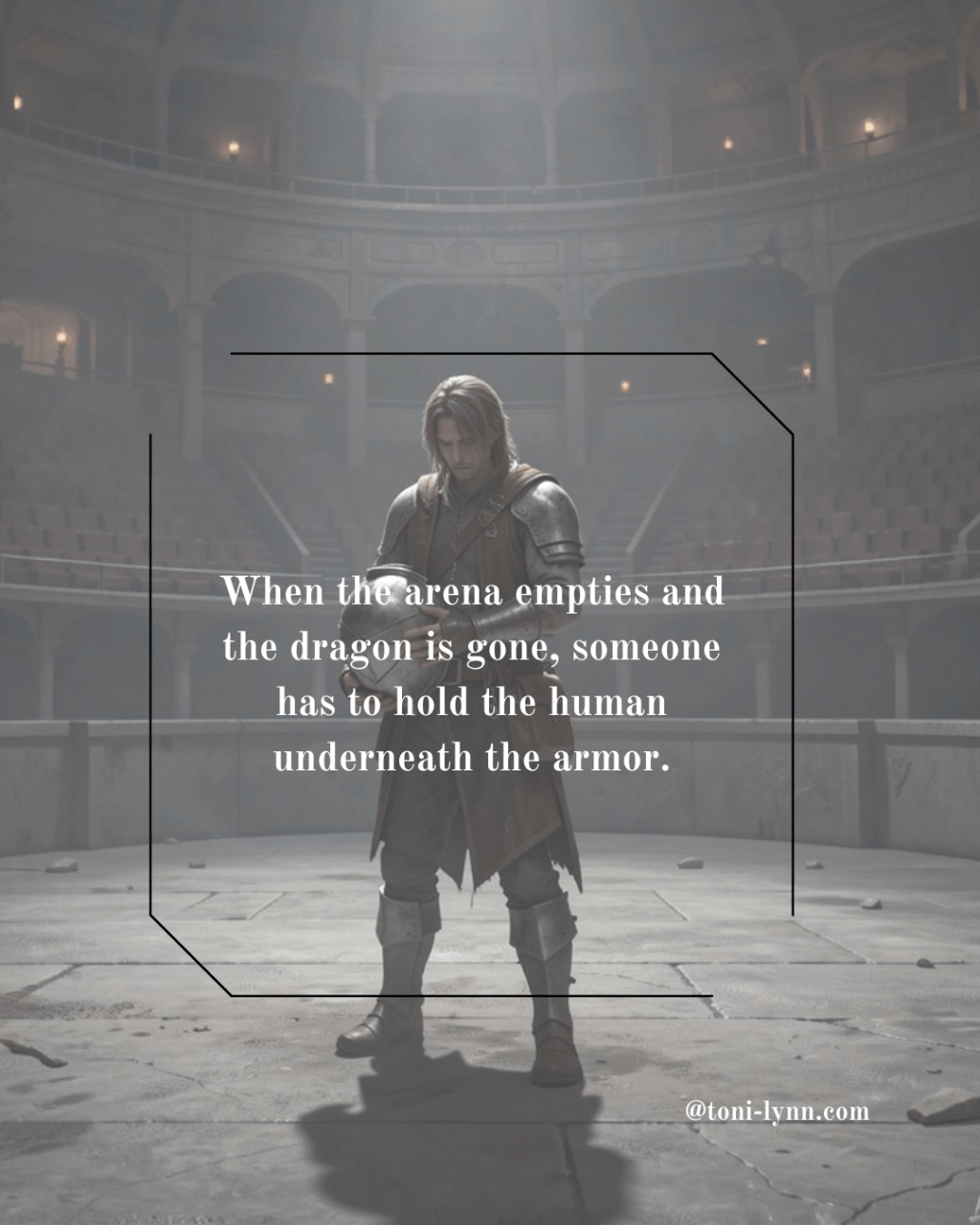
If you are a spouse reading these words, I want you to hear me clearly: what you carry matters. The sleepless nights, the missed holidays, the silent fears, the invisible weight you shoulder—it is real. And it does not make you weak. It makes you a warrior.
You are not “just” the spouse of a first responder. You are the anchor, the safe place, the unseen strength that helps hold everything together. And while the world may not always see or recognize the sacrifices you make, you are seen here. You are valued. You are not walking this path alone.
That is why I wrote Silent Warriors: The Guardians Behind the Badge—to give language to the emotions, the struggles, and the resilience of spouses like you. To remind you that your role is vital, your presence is powerful, and your wellness matters.
Thriving in this life is not about being perfect or holding it all together without cracks. Thriving is about being equipped, supported, and validated in your humanity—so that you can breathe, endure, and even flourish in this calling.
Because when you thrive, your responder thrives too.
If this spoke to your heart, I invite you to pick up a copy of Silent Warriors: The Guardians Behind the Badge or connect with me here and on social media and let’s walk this path together. You don’t have to do this alone—we are stronger when we walk side by side.


 Toni Lynn
Leave a comment